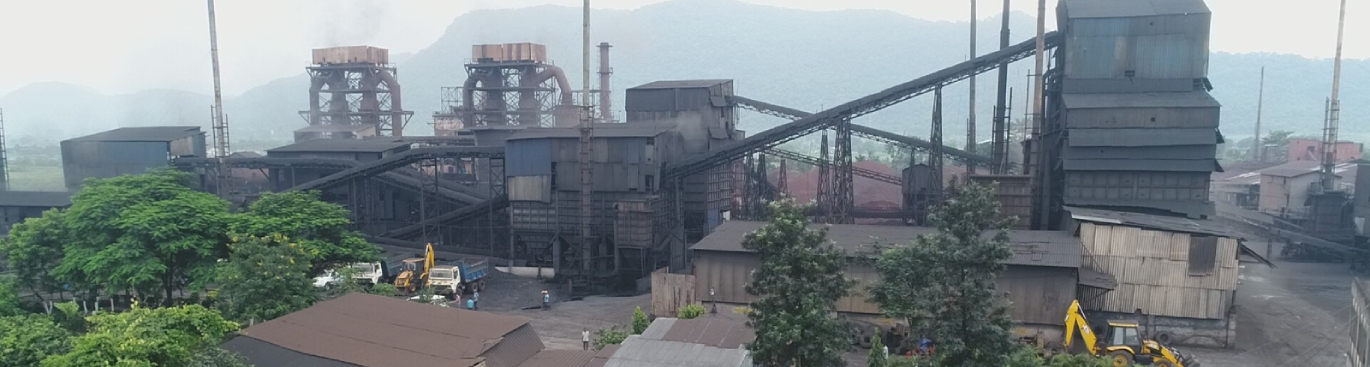
High-quality sponge iron produced through controlled direct reduction processes, offering superior chemical composition and consistency for modern steelmaking.
Sponge Iron, also known as Direct Reduced Iron (DRI), is formed by the reduction of iron ore in solid state below the melting point. The removal of oxygen creates a porous, sponge-like structure which makes it an excellent raw material for steel production. Its high metallic iron content and low impurities improve furnace performance and steel quality. Sources: industry specifications & standards
The production involves reducing iron ore lumps or pellets with non-coking coal or reducing gases in a rotary kiln at temperatures typically between 800C to 1200C. The resulting iron is porous and rich in metallic content, ideal for modern electric arc and induction furnaces. Sources: industry process standards
| Parameter | Typical Value |
|---|---|
| Total Iron (Fe) | 90% Min |
| Metallic Iron | 80-85% |
| Degree of Metallization | = 88% |
| Sulphur (S) | < 0.03% |
| Phosphorus (P) | < 0.07% |
| Carbon (C) | 0.10-0.20% |
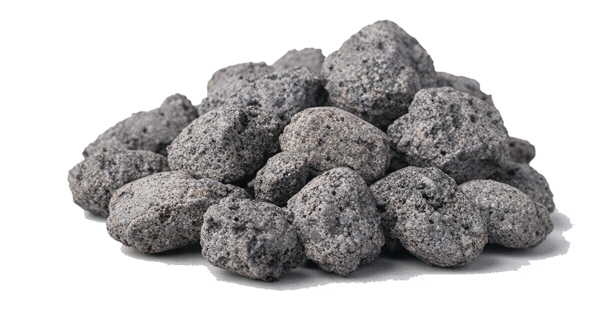
Sponge Iron is widely used in electric arc furnaces (EAF), induction furnaces (IF), and steel melting shops as a superior alternative to scrap. It contributes to higher yield and better control over final steel quality. Sources: industrial usage data